How to Run Profitable Ads for Cosmetics on Meta and Google

The beauty business has become one of the most competitive industries online. On a daily basis, countless cosmetic brands battle for visibility on platforms like Facebook, Instagram, Google Search, and YouTube. Having great products is essential — but knowing how to market them is equally important.
Promoting cosmetics online is far more complex than merely boosting social media posts or picking keywords on Google. Modern consumers are looking for personalised experiences, captivating visuals, and trusted brands. Those companies that know how to provide all of the above make sure to attract and retain their clients.
Whether you are presenting a new lipstick line, marketing a skincare series, or expanding an existing cosmetics brand — Meta Ads and Google Ads platforms are your most powerful tools. The only thing you need is to know how to apply them effectively.
Reasons Why Paid Advertising Should Be Applied to Cosmetic Products
The demand for cosmetics is increasing, as well as the level of competition. Organic social media and SEO are still effective, but they need time to bring consistent results. Paid advertising enables your product to show up in front of your target audience immediately.
The following advantages of paid advertising should be mentioned:
If managed properly, paid advertising turns into an investment, not an expense.
Comparing Meta Ads and Google Ads
While both advertising methods share similar goals, there are significant differences between them. Understanding when and how to use each is the key to maximising your cosmetics ad budget.
Meta Ads
- Brand awareness campaigns
- New product launches
- Visual storytelling
- Targeting previous visitors
- Relationship building
Google Ads
- High-intent buyer targeting
- Shopping Ads for products
- Display Ads for retargeting
- YouTube video campaigns
- Performance Max Campaigns
On Meta, products are discovered by people while scrolling their social media feed. High-quality photos and videos can make people buy the product right away. On Google, ads are shown to people who are actively searching — terms like "best matte lipstick," "organic face serum," or "vegan skin care products." Since these people already have the intention to make a purchase, Google Search is among the top-converting advertising platforms.
Using both Meta and Google together often yields the best results.
9 Steps to Running Profitable Cosmetics Ads
Identify Your Advertising Goals
Before you spend a single advertising dollar, set your goals. The campaign goal will determine every step — from audience selection to ad creation.
- ✦ Boosting sales online
- ✦ Generating website traffic
- ✦ Lead generation
- ✦ Increasing brand awareness
- ✦ Product launch
- ✦ Encouraging repeat purchases
Define Your Ideal Client
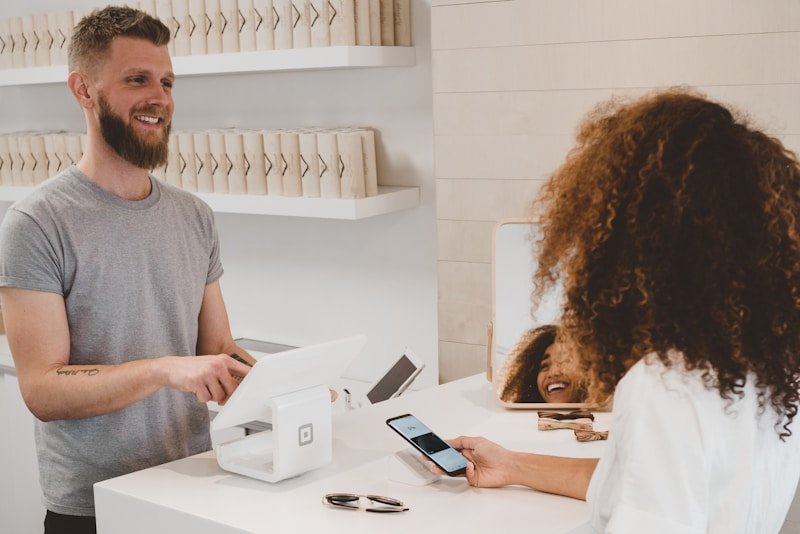
To create successful cosmetics advertisements, you need to understand your audience first. Instead of addressing all people possible, define your audience precisely.
Consider: Who is buying your product? What age group do they belong to? Are they interested in luxurious beauty products or affordable cosmetics? On which social media networks can you find them? What kind of issues are they trying to solve?
The more precisely you identify your target audience, the higher your campaign's effectiveness will be.
Develop Quality Visual Content
Appearance plays an essential role in selling beauty products. Your customers are interested in product packaging, appearance and texture, application of your product, transformation results, lifestyle pictures, and user-generated content. High-quality visuals automatically build trust.
- ✦ Using Reels and short-form video
- ✦ Demonstrations of products in action
- ✦ Testimonials from real customers
- ✦ Tutorials for makeup and skincare routines
- ✦ Collaborations with influencers
Video content usually performs much better than still photos.
Create Appealing Ad Copy
The most beautiful images still require convincing ad copy. Always think benefit over feature.
Great ad copy must solve a problem, offer a solution, establish credibility, and include a clear call to action. Keep things simple and customer-centric.
Effective call-to-action examples:

Use Meta Pixel and Google Tag
Proper tracking can be the key to successful ad campaigns. Without tracking, you'll be guessing. Setting up these tools takes a few hours — but it's the foundation of every profitable campaign.
These tools allow you to measure orders, track website visitors, create remarketing lists, and automatically optimise your ads based on real performance data.
Target Users Who Show Interest
Some customers don't purchase immediately. Many require several interactions before making a buying decision. That's where remarketing becomes your highest-ROI strategy.
- ✦ Users who have seen your products
- ✦ Users who have added items to the cart
- ✦ Users who have visited your site
- ✦ Users who have watched your video
- ✦ Users who have interacted with your Instagram post
Remarketing campaigns often yield high ROI since you will be advertising to customers who are already familiar with your business.
Improve Landing Pages
Redirecting traffic to a website that is difficult to use is a waste of your advertising money. Every rupee you spend on ads is wasted if the landing page doesn't convert. The landing page needs to have:
Any extra step or point of friction can make you lose potential customers.

Test Different Advertisements
You shouldn't expect your first advertisement to be your best. The brands that win in paid advertising are the ones that test relentlessly and improve continuously. Making small changes can make your ad much cheaper per conversion.
- ✦ Different headlines
- ✦ Different images and videos
- ✦ Different product descriptions
- ✦ Different calls to action
- ✦ Different audience segments
Track Key Performance Indicators
Do not consider campaigns as successful or not based on impressions and likes alone. The numbers that actually tell you whether your campaigns are profitable are:
These indicators will help you find out exactly how profitable your campaigns are — and where to optimise.
Top Mistakes Made by Cosmetics Companies
A lot of companies fail because they make avoidable mistakes. Avoiding these will significantly improve your campaign's performance and reduce wasted ad spend.
SEO and Paid Advertising Working Together
Paid advertising provides instant traffic, while SEO works for building a lasting online presence. Combining both techniques results in sustainable development that compounds over time.
How to Use SEO and Paid Ads Together
The most successful cosmetics brands don't choose between SEO and paid ads — they use both in a way that makes each more effective.
- Create educational beauty blogs that rank organically and can be boosted with Meta Ads
- Make sure your product pages are fully SEO-optimised before running traffic to them
- Advertise high-intent keywords using Google Ads while SEO builds long-term rankings
- Promote your best-performing blog posts through Meta Ads to amplify reach
- Use retargeting ads to re-engage the organic traffic your SEO brings in
By doing all this, you benefit from increased traffic, higher conversions, and a digital presence that grows in value month after month.
Frequently Asked Questions
Closing Remarks
Generating profit through cosmetic ads is not about pumping up the budget alone. Profitability is achieved through understanding your audience, producing high-quality content, tracking results, and constant optimisation of campaigns.
Meta Ads are good for generating brand awareness and helping people discover your product through attractive visual ads. Google Ads target those who are already searching for beauty products. The combination of these two channels makes an effective marketing machine that drives sales and business growth.
The trick is to reach not the biggest audience, but the best one. Cosmetic companies need to combine data insights and good storytelling to achieve better results with their advertising budgets.
Clicks to Sales — with Digital Glamora
Not only will your products be seen — they will sell. Digital Glamora helps beauty, skincare, cosmetics, salons, and wellness brands launch successful digital marketing campaigns.
From increasing your online sales, generating qualified leads, optimising your return on ad spend, or improving your online visibility — our team creates custom Meta and Google advertising solutions based on your exact requirements.
Our Services:
Let's make your beauty brand a market leader. Get in touch with Digital Glamora for a custom digital marketing strategy.
Want Ads That Actually Convert?
Stop guessing and start growing. Digital Glamora manages Meta and Google Ads exclusively for beauty brands.
Get a Free Ad Audit ✦- 🌐 digitalglamora.com
- ✉️ info@digitalglamora.com
- 📞 +91 9872663771
- 📍 Mohali, Punjab, India
Ready to Make Your Cosmetics Brand Impossible to Ignore?
Digital Glamora creates custom Meta and Google advertising campaigns for beauty, skincare, cosmetics, and salon brands across India. Let's build a campaign that turns clicks into sales.