Beauty Ads: How Data Improves E-Commerce Marketing
Utilizing data allows beauty companies to figure out what their clients need, where they come from, and what motivates them to make purchases removing guesswork from marketing and turning it into something measurable.

The purpose of this publication is to show how data and analytics can help beauty e-commerce brands make better decisions regarding marketing. The article includes information about consumer behavior, marketing campaigns, product analysis, conversion tracking, segmentation, and measurement of revenue and illustrates how companies can use these insights to develop more effective marketing campaigns.

The Main Points To Note
- Data can help identify the successful products and marketing channels.
- Consumers' behavior reveals the points at which they leave the purchase process.
- Analytics makes audience targeting more effective.
- Conversion tracking connects marketing activities and profits.
- Constant testing helps beauty companies become better at marketing.
Google Analytics 4 supports e-commerce events like views of a product, adding products to the cart, starting the checkout process, purchasing, refunds, and dealing with promotions. These events help companies track how their clients interact with products along the shopping journey.
Why Data Is So Important for Beauty E-Commerce Marketing
The beauty business is quite competitive and highly visual. Clients can find out about this or that product through Instagram, search for various information on Google, look through the website of a company, compare products, and only then make their decision. Hence, consumer data becomes extremely valuable.
If there is no analytics in this sphere, a company might know that there have been increases in traffic on its website without understanding whether these people made any purchases.


With quality tracking in place, marketers can answer questions such as:
- Which products attract the most interest?
- Which pages bring revenue?
- Where do consumers drop out of the purchase process?
- Which methods of marketing supply customers who generate the largest amount of revenue?
- Which marketing campaigns are profitable?
- Which consumers come back and buy?
How Data Makes Beauty Advertising More Effective
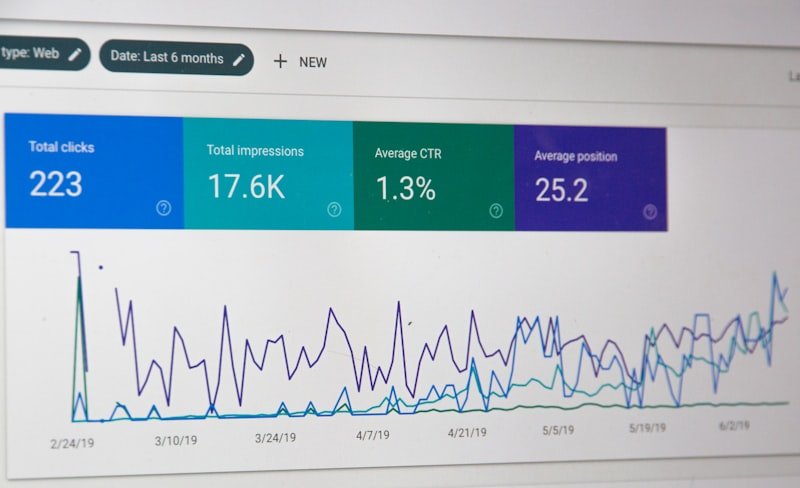
Beauty ads can create thousands of impressions, but impressions alone do not reveal whether beauty advertising is profitable.
10,000 impressions, 500 clicks — resulting in only 5 purchases.
6,000 impressions, 250 clicks — resulting in 20 purchases.
Campaign B may have less reach but a much stronger commercial outcome. That is why beauty brands should monitor metrics such as:
| Metric | What It Shows |
|---|---|
| Click Through Rate | How effectively an ad attracts clicks |
| Conversion Rate | How many visitors complete an action |
| Cost Per Acquisition | Cost of acquiring a customer |
| Return on Ad Spend | Revenue generated from advertising |
| Average Order Value | Average amount spent per purchase |
| Customer Lifetime Value | Potential long-term customer value |
The goal is not simply to attract more visitors — the goal is to attract visitors and turn them into valuable customers.
Product Analytics for Beauty Stores
Product analytics can reveal which items deserve attention. Imagine a cosmetics store selling one hundred products analytics might show that just ten products generate most of its sales. Those products could become the focus of paid campaigns, SEO content, email promotions and social media campaigns.


Marketers can compare:
- Product views
- Add-to-cart rates
- Purchase rates
- Revenue per product
Further insights:
- Refund rates
- Repeat purchases
- Product performance by traffic source
Product analytics can help businesses avoid spending on products that receive attention but rarely convert.
Understanding Beauty Customer Behaviour
Every customer is different. A first-time visitor may need information about ingredients, product benefits, reviews, shipping or return policies before feeling ready to purchase. A returning customer may already trust the brand and simply need a reminder about a new product or relevant offer.


Customer segmentation allows brands to create relevant marketing. Common segments include:
| Audience | Marketing Approach |
|---|---|
| New visitors | Brand introduction and trust building |
| First-time buyers | Education and product guidance |
| Returning customers | New products and personalised offers |
| High-value customers | Loyalty campaigns |
| Cart abandoners | Reminder campaigns |
| Inactive customers | Re-engagement campaigns |
This approach can improve customer experience while making marketing communication more relevant.
Finding Conversion Problems With Analytics
One of the useful applications of analytics is identifying where customers stop during the buying process. A typical journey looks like:

If visitors reach product pages but rarely add products to their carts, the product page may need improvement.
If customers add products to their carts but leave during checkout, the problem may involve shipping costs, unexpected charges, payment options, website usability or technical issues.
Google recommends tracking events so businesses can understand these different stages of customer behaviour. (Google Analytics)
Improving the Checkout Experience
Beauty e-commerce businesses should regularly monitor:
- Product views
- Add-to-cart activity
- Checkout starts
- Purchase completion
- Refunds
- Revenue
These numbers can help identify weaknesses in the customer journey. Google also recommends validating tracking to make sure events are being collected correctly. (Google Analytics)

Measuring SEO, Social Media and Paid Campaigns
Different marketing channels often play different roles. SEO may introduce a customer to the brand. Social media may create awareness. Paid search may bring the customer back when they are ready to buy. Email marketing may encourage a repeat purchase.
If marketers only measure the last interaction, they may underestimate the importance of earlier channels. A broader view can help businesses understand how channels work together.
| Marketing Channel | Important Measurements |
|---|---|
| SEO | Organic traffic, rankings and revenue |
| Social Media | Engagement, traffic and assisted conversions |
| Google Ads | Conversions, acquisition cost and revenue |
| Email Marketing | Open rate, clicks and revenue |
| Influencer Marketing | Traffic, engagement and sales |
| Direct Traffic | Returning visitor behaviour |
This makes it easier to decide where additional marketing investment could create the greatest impact.
Using Data to Improve Marketing Content
Analytics can also influence creative decisions. Suppose two campaigns promote the same skincare product one advertisement focuses on the product's ingredients, another focuses on the customer's desired outcome.


Highlights formulation, actives and clinical proof points.
Highlights the result the customer wants to achieve.
If one consistently produces engagement and conversions, the result can guide future creative campaigns. Brands can test:
- Headlines
- Images
- Videos
- Offers
- Calls to action
- Landing pages
- Product messaging
- Audience segments
Consistent tests can reveal valuable insights over time. For beauty businesses looking for a strategy, beauty digital marketing can combine SEO, paid advertising, content, social media and analytics into one coordinated approach.
The Role of Personalisation in Beauty Marketing
Personalisation works best when it reflects customer behaviour. For example, someone who frequently purchases skincare products may be more interested in skincare recommendations than beauty products.
Similarly, a customer who repeatedly visits a product category may respond to useful educational content related to that category. The objective should be relevance over excessive promotion good personalisation makes customers feel understood without overwhelming them.
Measuring Marketing Profitability
Website traffic is important, but revenue provides a clearer picture of commercial performance. A campaign that brings twenty thousand visitors but few customers may not be as valuable as a campaign that brings five thousand visitors who purchase regularly.

Beauty brands should therefore consider:
These metrics provide a complete picture of marketing performance.
Building a Marketing Strategy
A practical analytics strategy can follow six steps.

Track the customer journey
Ensure website and e-commerce actions are measured.
Establish a baseline
Record current traffic, conversions, revenue, average order value and acquisition costs.
Identify weaknesses
Find campaigns, products, landing pages and checkout stages that underperform.
Test improvements
Experiment with messaging, creative, audiences, offers and website elements.
Allocate resources based on performance
Increase focus on campaigns and products demonstrating commercial potential.
Review performance regularly
Use analytics as a decision-making tool rather than simply preparing monthly reports.
Why Data Creates Better Beauty Marketing Decisions
Successful beauty e-commerce marketing does not depend on one campaign; it depends on learning. That cycle allows businesses to gradually improve their marketing performance:

For beauty brands, this can mean understanding which products customers want, which messages attract attention, which channels generate revenue, and where the buying journey needs improvement. Digital Glamora focuses on helping beauty-focused businesses build digital visibility through measurable marketing strategies.

Turn Your Data Into Your Next Growth Opportunity
Your analytics dashboard should not simply show numbers it should show you what to do. If your beauty business is spending money on SEO, paid campaigns, social media or content but you are unsure which activities are producing results, a data-led approach can bring clarity.
Stop guessing. Start measuring. Start optimising. Start growing.
Explore Beauty Digital Marketing Services ✨