Spa Website Design: Future Trends Every Spa Needs in 2026
This blog explores the ideas for spa website designs that are set to redefine the way spas and wellness businesses operate in 2026. From design to conversion rate, local SEO and trust signals this guide covers everything you need to know about modern spa websites. Ultimately, it is about acquiring the right customers and turning them into lifelong clients.
Key Takeaways
- Mobile-first design is now essential for spa websites.
- Online booking needs to be prominent across the site.
- Pages must load quickly for a better user experience.
- Local SEO and structured data are crucial for better discoverability.
- Trust signals, authenticity, packages and CTAs play a bigger role in conversions.
- Personalisation will continue to evolve and shape the user experience on wellness websites in 2026.
A modern spa website should strive to do more than look good, it should facilitate the journey from research to review.
Did You Know?
Did you know that Zenotis's 2025 salon and spa customer survey revealed that 80% of clients prefer booking on devices? Their 2025 industry report also found that revenue-generating businesses recorded 61% higher online booking rates than the industry benchmark.
of clients prefer booking on devices (Zenotis, 2025 salon and spa customer survey)
higher online booking rates recorded by revenue-generating businesses than the industry benchmark (Zenotis, 2025 industry report)
Why Modern Spa Websites Are Set To Change
The old approach of having a basic website with a list of services, a few pictures and a contact page is no longer working. Today, people discover your website through Google, social media, Maps, reviews or ads. They land on your spa website via a treatment page or even review and spend a few seconds looking for information such as:
- Available treatments
- Pricing and packages
- Location details
- Client reviews
- Booking options
- And whether the website is trustworthy
This is why conversion-centred web design is fast becoming as important as the design itself. Having a lovely spa website with eye catching visuals but no obvious online booking option is no longer an option.
Websites need to create a seamless experience that drives customers from landing pages to the booking calendar.
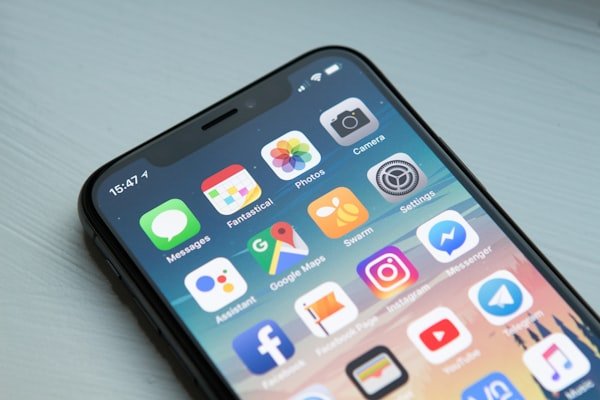
Mobile first Experiences Are The New Norm
Google indexes and ranks mobile friendly websites, and this has made mobile-first responsive design a critical ranking factor for modern spa websites.
Having a mobile-first website goes beyond simply shrinking your desktop site to fit on a mobile screen. Your mobile page must be intuitive and easy to navigate, which means designing around thumb-friendly touch points, readable text, accessible menus and speed-optimised images.
You will also want to make sure that your website's booking options are easy to access, use tap-to-call phone numbers, avoid long forms and utilise mobile-friendly treatment menus.
If someone is searching for a massage on their phone after a stressful day at work and they land on your spa website, the last thing they want is a slow-loading page or a hidden booking option. Your winning approach should be to remove roadblocks from your customer's booking journey as much as possible.
Immersive Experiences Tell A Compelling Spa Story
Spa websites are all about visuals. Customers want to know what your spa looks like before they can imagine spending money there. In 2026, spa website design is set to embrace visuals more, using spa photography, short videos, subtle animations, treatment visuals and behind-the-scenes content to captivate website visitors. There is an art to making sure your visuals entice and inform without overwhelming the customer.
Your website photography should feature:
- The spa's interior
- Treatment rooms
- Therapists
- Products
- Lounge areas
- Signature treatments
- Your spa's unique selling points
Your spa website should also use short videos to create a deeper connection with your clients. A 10-second video of your treatment room can say more than a thousand words on your treatment page. Similarly, you can use short videos to show off your luxury amenities, spa treatments or the serene ambience of your treatment rooms.
Smarter Booking Options And Conversion Rate Optimisation
Online booking is no longer optional for most spa owners.
September 2026 figures from an analysis of 390 US spa websites showed that 72.1% offered online booking, while only 40.8% featured a tap-to-call button. It also found that 33.1% showcased client reviews or testimonials. This shows that while most spas have online booking options, they could do more to encourage more customer reviews.
offered online booking
featured a tap-to-call button
showcased client reviews or testimonials
The art of online booking is also in the detail. A well-designed spa booking engine should allow customers to select treatments, view durations and prices, choose dates and time slots, pick their preferred therapist if applicable, fill in their details and confirm the booking.
The location of your Book now button also matters. You want to make sure it is prominently displayed so that your website visitors can find and use it with ease. You should also consider adding it to your website's navigation bar, treatment pages, service sections and mobile-friendly sticky navbar.
Personalisation Creates Relevant Experiences
Modern spa website design is set to lean into personalisation to create unique but relevant experiences for website visitors.
While most spa websites still offer the same experience to everyone who visits, the evolution in personalisation software will enable you to offer different experiences based on a customer's preferences.
You can, for example, create a homepage that directs visitors to either:
- Relaxation treatments,
- Facials and skin treatments,
- Massage therapy,
- Couple's treatments,
- Wellness packages,
- Gift cards
- Memberships
Visitors can also take a short quiz to identify their preference for relaxation, skincare, recovery or self-care treatments. This approach can help you offer a more tailored and relevant experience without overwhelming your website visitors with endless options.

Local SEO Will Shape Spa Website Visibility
A visually impressive website is useful only when potential customers can find it.
For local spas, local SEO for spas should remain an important part of the website strategy.
Create dedicated pages around services and locations where appropriate. For example:
- Spa in Chandigarh
- Couples massage in Chandigarh
- Luxury facial treatments
- Body spa treatments
- Wellness packages
- Massage therapy
- Spa membership
The content should remain genuinely useful rather than simply repeating a city name.
Google also recommends establishing business details through Google Business Profile and using appropriate structured data to help communicate information about a local business.
For businesses that qualify, Google recommends using the most specific LocalBusiness subtype available, including DaySpa.
Trust Signals Will Become More Important
Before booking a personal service, customers want reassurance.
This makes trust signals an important part of spa website conversion optimisation.
Consider adding:
- Genuine customer reviews
- Therapist introductions
- Professional certifications where relevant
- Clear treatment information
- Real photographs
- Hygiene information
- Cancellation policies
- Secure booking information
- Frequently asked questions
- Clear contact details
Don't hide your best trust signals at the bottom of the website.
Place relevant reviews and reassurance near important conversion points.

Real Stories Beat Generic Claims
A testimonial saying “Amazing service!” is pleasant but vague.
A more useful review explains what the client experienced, what treatment they received, or why they returned.
Authentic customer experiences can help prospective clients imagine their own visit.
Social Media and Website Experiences Will Connect
The relationship between Instagram and a spa website will become even more important.
A potential client might see a treatment video on Instagram, click the profile link, explore the service, read reviews, and book.
That means your social content and website should feel like parts of the same brand.
For example, a campaign promoting a seasonal facial can lead directly to a dedicated landing page explaining:
- Treatment benefits
- Duration
- Price
- Who it is suitable for
- Available appointments
- Frequently asked questions
- Booking options
If you are promoting services through Beauty ads, make sure the landing page continues the same message and visual identity as the advertisement.
The goal is a seamless journey from “That looks interesting” to “I'd like to book this.”
Accessibility and Inclusive Design
A modern wellness website should be comfortable for as many people as possible.
Accessible web design can include:
- Readable font sizes
- Sufficient contrast
- Descriptive image alt text
- Clear button labels
- Keyboard-friendly navigation
- Captions for videos
- Simple language
- Logical page structures
Accessibility is not about checking boxes. It helps everyone use your website easily.
AI-Assisted Experiences Without Losing the Human Touch
In 2026 AI will play a role in how people experience websites. Spas should use it wisely. A simple AI-powered assistant can help visitors find information on services, opening hours, booking steps or policies.
Automation shouldn't make the site feel cold. Wellness is deeply personal. Visitors still want to feel like real people are behind the brand.
The best way forward is to use technology for convenience while keeping the brand's personality in view.
Search-Friendly Content Will Matter More
Spa websites shouldn't depend on images. Written content can answer questions people are already searching for.
Good topics for content include:
- How often should you get a massage?
- What should you expect during your spa visit?
- Which facial is suitable for your skin?
- What should you do before a body treatment?
- Are spa treatments suitable for couples?
- How can you choose the right massage?
This opens doors for spa SEO, internal links and long-term visibility.
A helpful blog can guide visitors to treatment and booking pages.
Technical SEO Behind Beautiful Design
The look of a website is part of the story. Behind the scenes spas should also focus on:
- Clean site architecture
- Clean URLs
- Metadata
- Image optimisation
- Internal linking
- XML sitemap
- Canonical URLs
- Mobile usability
- HTTPS
- Core Web Vitals
- LocalBusiness structured data
Google says structured data helps it understand business details like opening hours, location and contact information.
This is where SEO-friendly web design becomes important. Design and search strategy should work together; not separately.
The Future Is Beautiful, Useful and Bookable
The future of spa websites isn't about chasing every trend.
It's about creating an experience that feels as smooth as the experience inside the spa.
The strongest approach combines:
- Elegant visual design
- Mobile-first usability
- Fast performance
- Simple online booking
- Local SEO
- Authentic reviews
- Search-friendly content
- Clear calls to action
- Accessible experiences
- Thoughtful personalisation
A visitor should never have to guess what to do.
Whether they come from Google, Instagram, a recommendation or beauty ads, the website should guide them naturally to the information they need and the action they want to take.
Ready to Turn Your Spa Website Into a Booking Machine?
Your website should not just look relaxing. It should make potential clients feel confident enough to take the step.
Make your spa easier to discover. Make every treatment easier to understand. Make every booking easier to complete.
If your current website feels outdated, slow, hard to navigate or disconnected from your marketing, now is the time to rethink the experience.
Want a website that looks premium and works harder for your spa? Get a digital audit and find out what your current website might be missing.
Get a Digital AuditCall +91 7009 312 882
About Digital Glamora
Digital Glamora is a beauty-focused marketing agency. We help beauty, wellness, skincare, salon, spa and aesthetic businesses build digital experiences and marketing strategies.
Contact Information
Address: #140 AKS 2 near Shanti Kunj Apartments, Zirakpur, Punjab, India
Phone: +91 7009 312 882
Email: info@digitalglamora.com
Website: www.digitalglamora.com
Working Hours: Monday to Saturday 10:00 AM to 7:00 PM IST