Online Reputation Management Mistakes Beauty Businesses Make
Turn reviews into trust. Turn trust into enquiries. Turn enquiries into growth.

Key Takeaways
- Your online reputation shows how potential customers see your beauty business before they contact you.
- Ignoring reviews can create a bigger problem than the original complaint.
- Asking for customer feedback should be part of your regular marketing process.
- Responding to both positive and negative reviews shows that your business listens.
- Fake reviews and manipulated feedback can damage trust and create serious compliance problems.
- Reputation management should work together with SEO, social media, content and Beauty ads.

Why Online Reputation Matters for Beauty Businesses
A customer can discover a salon, skincare brand, spa, dermatologist or aesthetic clinic in seconds. Discovering a business and trusting it are two different things. Online reputation management helps a beauty business control, monitor and improve the way people experience its brand online.
Think about your buying behaviour. Before booking a facial, trying a salon, ordering skincare or visiting a clinic, you may look at Google reviews, Instagram comments, ratings, before-and-after content and customer experiences. One unanswered complaint can sometimes make someone stop researching and choose another business.
That is why reputation is not simply a customer service issue. It is part of marketing.
A strong reputation can support your SEO, local visibility, social media presence and conversion strategy. A weak reputation can make all of those efforts harder.

BrightLocal's 2026 Local Consumer Review Survey reports that 85% of consumers say positive reviews make them more likely to use a business, while 77% say negative reviews make them less likely to choose one. The same research also highlights the growing role of AI tools in business recommendations.
of consumers say positive reviews make them more likely to use a business
say negative reviews make them less likely to choose one
For a beauty business, this means every review and customer interaction can become part of the decision-making journey.

Common Beauty Reputation Management Mistakes
Ignoring Negative Customer Reviews
One of the mistakes is pretending that negative reviews do not exist.
A beauty business may receive hundreds of comments, but a complaint that remains unanswered can still attract attention. Potential customers may read it and wonder whether the business actually cares about customer concerns.
The solution is not to argue with the reviewer. Instead:
- Read the complaint carefully.
- Acknowledge the customer's experience.
- Avoid defensive language.
- Take the conversation private when personal information is involved.
- Explain what action you can take.
- Follow up when appropriate.
Google itself recommends replying to reviews because responses show customers that the business values their feedback.
A thoughtful response can turn a moment into an opportunity to demonstrate professionalism.
Responding Only When Something Goes Wrong
Some businesses reply to negative reviews but ignore positive ones. That creates an incomplete picture of customer engagement.
A simple "Thank you for visiting us" may not seem important, but consistent responses demonstrate that your team is paying attention.
BrightLocal's research indicates that consumers increasingly expect businesses to respond to different types of reviews, not just complaints.
Try to create a simple response system for:
- Five-star reviews
- Detailed customer feedback
- Questions within reviews
- Complaints
- Reviews requiring further investigation
- Reviews that appear to violate platform policies
Consistency matters more than writing a long response every time.

Asking for Reviews Without a Strategy
Another common mistake is waiting for customers to leave reviews naturally. Happy customers often intend to leave feedback but simply forget.
Instead of waiting, create a straightforward review request process after a successful appointment or purchase.
For example, a salon could send a review request after a customer's appointment. A skincare brand could request feedback after the customer has had enough time to use the product.
The key is to request honest feedback rather than asking customers to leave only positive reviews.
Google provides businesses with tools to share review request links and QR codes.
Buying Fake Reviews
This is one shortcut beauty businesses should avoid completely.
Buying reviews might appear attractive when a business has very few ratings, but artificial feedback can destroy credibility if customers discover it.
The U.S. Federal Trade Commission's rule on fake reviews prohibits businesses from buying or creating fake reviews and also restricts incentives that are conditional on a particular positive or negative sentiment.
More importantly, genuine reviews give potential customers something that fake reviews cannot: real experiences.

Forgetting Social Media Reputation
Your reputation does not live only on Google.
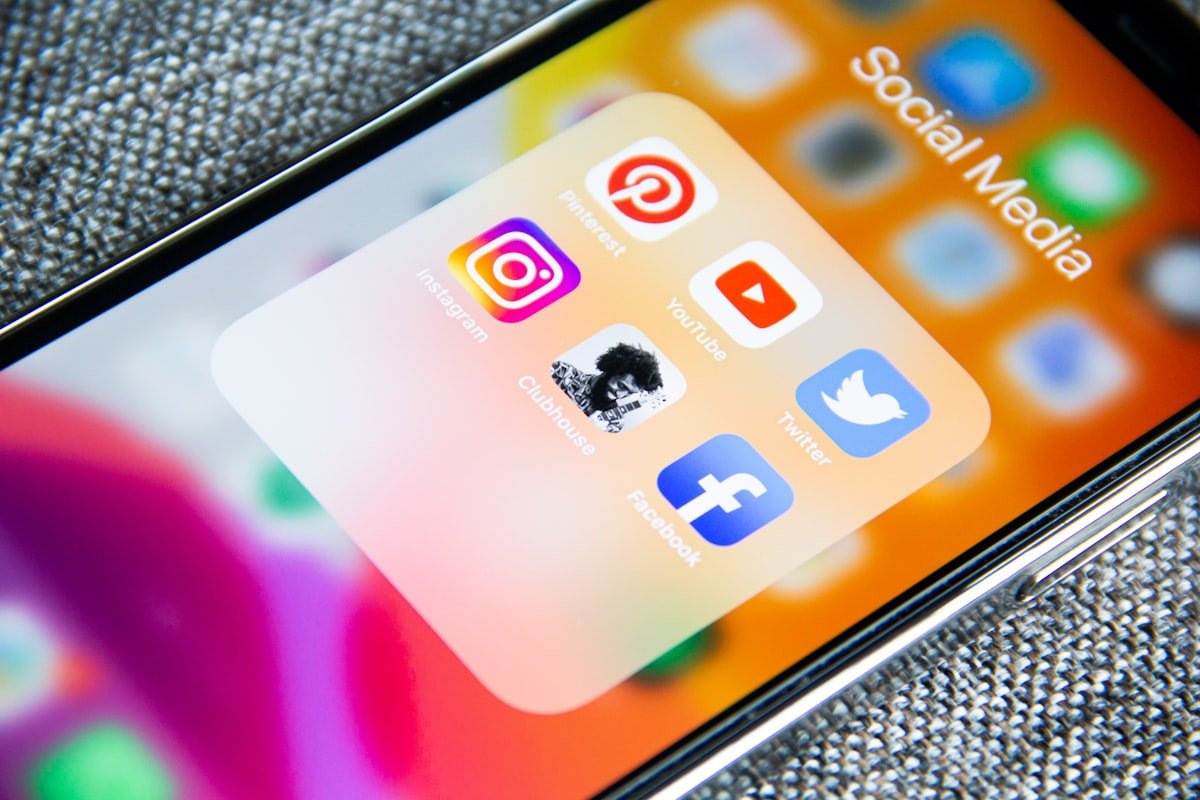
For beauty businesses, Instagram, Facebook, YouTube, Pinterest, and other social platforms can influence how customers perceive a brand.
A customer might comment:
If nobody responds for several days, another potential customer may notice the unanswered question.
Similarly, repeated negative comments about customer service can become part of your brand perception.
This is where social media management and reputation management overlap.
Your team should monitor:
- Comments
- Direct messages
- Brand mentions
- Tagged posts
- Customer complaints
- Influencer feedback
- User-generated content
- Questions about products or services
A strong social presence is not only about posting beautiful content. It is also about how your business communicates when customers speak back.
Treating Every Complaint Like an Attack
Not every negative review is an attack on your business. Sometimes a customer simply had a poor experience.
Responding emotionally can make the situation worse. A defensive response can become more memorable than the original complaint.
Before responding, ask:
Then separate the emotion from the issue.
If the complaint is legitimate, acknowledge it.
If there is a misunderstanding, explain the situation calmly.
If the review violates platform rules, use the appropriate reporting process instead of starting a public argument.
Professional communication protects your reputation far better than trying to "win" a review conversation.

Focusing Only on Star Ratings
A five-star rating looks great, but reputation management involves much more than the number beside your business name.
Customers also look at:
| Reputation Factor | Why It Matters |
|---|---|
| Star rating | Creates an immediate impression |
| Review quantity | Shows how many customers have shared experiences |
| Review recency | Helps customers understand whether experiences are current |
| Review content | Provides details about products and services |
| Business responses | Shows customer engagement |
| Social comments | Reveals public conversations around the brand |
| Website content | Provides additional trust information |
| Brand mentions | Builds awareness and authority |
BrightLocal's 2025 research found that consumers increasingly look at details within reviews rather than relying only on the overall rating.
This is particularly important for beauty businesses because customers often want specific information about service quality, staff behaviour, cleanliness, product performance, appointment experience, and results.
Forgetting to Connect Reputation With SEO
This is where reputation management becomes more interesting for digital marketing.
Your Google Business Profile, website, reviews, local listings, and social media should support one another.
For example, imagine someone searches:
They may see several businesses. One has an attractive website, another has strong reviews, and another has an inactive profile with old information.
The customer now has to decide which business feels trustworthy.
That is why reputation management should work alongside local SEO.
Businesses should maintain accurate information across important platforms, monitor customer feedback, and create useful website content that answers customer questions.
For businesses competing locally, reputation can become an important part of the overall customer journey.

Using Marketing Without Fixing Reputation Problems
Imagine spending money on Beauty advertisements while customers find complaints right after clicking your business name. That creates a gap between getting attention and earning trust. Paid advertising can bring people to your brand. Reputation can influence what happens next.
Before increasing your advertising budget, review:
- Google ratings
- Recent reviews
- Review responses
- Website trust signals
- Social media comments
- Business information
- Customer complaints
- Frequently asked questions
If customers consistently raise the same issue, solve the underlying problem before simply increasing your advertising spend. More traffic cannot fix a trust problem. Better customer experiences can.

Not Monitoring Your Brand Mentions
Track mentions of:
- Business name
- Founder name
- Services
- Product names
- Branded hashtags
- Google reviews
- Social mentions
- Industry directories
For a larger Beauty brand, reputation monitoring can become more complex because customers may discuss products across several websites and social platforms. Early awareness gives your team time to respond appropriately.

Copying Generic Responses
"Thank you for your feedback" can become repetitive when used for every review.
Customers can recognize responses quickly.
Instead, personalize your replies.
- If someone praises a service, mention that service.
- If someone appreciates a team member, acknowledge the team member.
- If someone raises a concern, address the actual concern.

A Simple Reputation Management Process
A practical system can look like this:

Step 1: Monitor
Check your major review and social platforms regularly.
Step 2: Categorize
Separate positive feedback, questions, complaints, spam, and potential policy violations.
Step 3: Respond
Reply professionally and promptly.
Step 4: Learn
Look for repeated complaints or compliments.
Step 5: Improve
Use customer feedback to improve your service.
Step 6: Encourage genuine reviews
Ask satisfied customers for honest feedback without manipulating what they say.
Step 7: Measure
Track review volume, rating trends, response time, sentiment, enquiries, and conversions.
This turns reputation management from a reactive task into a repeatable marketing process.
How Beauty Brands Can Build Long-Term Trust
The strongest reputation strategy starts before a customer writes a review.
It starts with the actual experience.
A customer who receives excellent service has a reason to recommend the business. A customer who receives poor service has a reason to warn others.
For beauty businesses, small details can have a significant impact:

Clear communication
Transparent pricing
Professional staff
Clean surroundings
Realistic expectations
Easy booking
Helpful aftercare
Quick responses
Consistent service quality
Your marketing should accurately represent the experience customers receive. That alignment creates something much more valuable than a high rating: trust.
Frequently Asked Questions
What is online reputation management for a beauty business?
Online reputation management is the process of monitoring, responding to, and improving how customers perceive a beauty business across Google, social media, review platforms, websites, and other online channels.
How should a beauty salon respond to a negative review?
Respond calmly, acknowledge the customer's concern, avoid arguing publicly, and offer an appropriate way to continue the conversation privately. If the review violates the platform's policies, report it through the proper process. Google allows verified businesses to respond to reviews and flag reviews that violate its policies.
How can beauty businesses get more genuine reviews?
Ask customers for honest feedback after a successful experience. Make the process simple by using a direct review link or QR code. Do not pressure customers to provide only positive reviews.
Can online reviews affect local SEO?
Reviews are an important part of local search visibility and customer decision-making. They can also influence whether people click on or contact a business after seeing it in local search results.
Should businesses remove negative reviews?
Not every negative review should be removed. If it represents a genuine customer experience, responding professionally is usually more useful. Reviews that violate the platform's policies can be reported through the appropriate process.
Build a Reputation Customers Want to Talk About
Your online reputation is not something you should repair only after a problem appears. It is an ongoing part of your beauty marketing strategy.
When reviews, social media, SEO, customer service, content, and Beauty ads all communicate the same level of quality, your marketing becomes much more convincing.
The goal is not to hide every negative comment.
The goal is to create enough genuine positive experiences that customers naturally become part of your brand story.