✦ Paid Ads Insights
Makeup Ads: 5 Fixes That Scaled Our Clients to 4x ROAS
7 min read · Digital Glamora Team · Paid Social & Performance
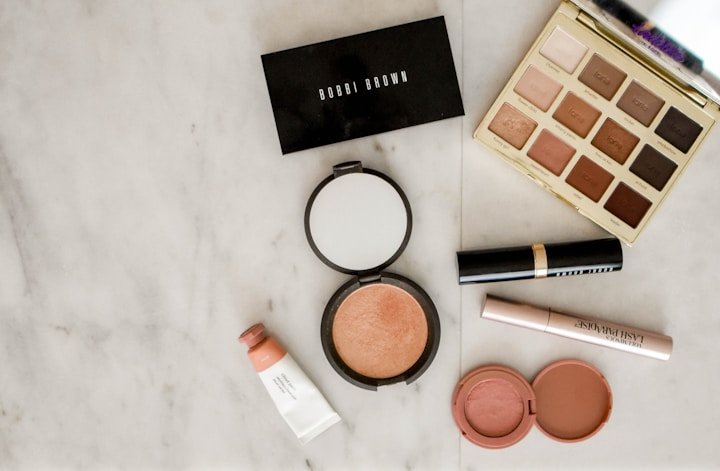
High-quality product photography is the backbone of every successful beauty ad campaign
Struggling with makeup ads that spend well but convert poorly? You’re not alone and the fix is usually more specific than “better targeting.”
Most beauty brands assume a low ROAS means their audience is wrong. In our experience running paid social for skincare and cosmetics clients, the audience is rarely the actual problem. The creative, the funnel, and the attribution setup usually are.
Did you know that beauty and personal care brands report some of the lowest median return on Meta of any e-commerce category while categories like baby products and general e-commerce regularly clear 3x to 4x? At the same time, industry benchmarks show that beauty brands using UGC-style, before-and-after creative can outperform brands running static product shots by a wide margin. That gap isn’t about budget. It’s about what the budget is being spent on.
This is exactly where Digital Glamora starts every new makeup ads account: not with a bigger budget, but with a full audit of what’s actually broken.

Every account starts with a full audit before a single dollar of spend is added
Why It Matters
What’s Actually Wrong With Most Beauty Ad Accounts
Before touching a single dollar of spend, we look at five things. In nearly every account we’ve inherited, at least three of these are broken.
Creative Fatigue Nobody Noticed
Beauty ads decay fast. A makeup ad that performed well for two weeks can quietly bleed ROAS for a month afterward if nobody’s watching frequency and CTR trend lines. Most brands don’t refresh creative until performance has already cratered and the real budget has already been wasted.
Targeting That’s Actually Fine
Ironically, targeting is usually the least broken part of the account. Meta’s broad and Advantage+ targeting tools have gotten good enough that manual interest stacking often hurts more than it helps for beauty campaigns.
Funnel Mismatch
A cold-traffic viewer doesn’t need the same ad as someone who’s already added to cart. Running one ad set across every funnel stage is one of the most common mistakes we see in beauty accounts.
Meta’s targeting tools have matured the real leaks are usually elsewhere
The 5 Fixes
The Fixes We Apply to Underperforming Accounts
Here’s the exact sequence, in the order we implement it.
01
📸 Kill the Static Product Shot as the Lead Creative
Static product photography still has a place, but not as the first thing cold traffic ever sees. UGC-style videos and before and after transformation content always get more attention and a lower cost per click in cold audiences. We move product shots later in the funnel, where warm traffic has already been introduced to the brand.

UGC creators consistently outperform studio shots for cold-traffic makeup campaigns
02
🔄 Build an Actual Creative Refresh Cycle
We rotate hero creative on a regular schedule rather than waiting for performance to decline. This alone recovers spend that would otherwise go to a tired ad that is still technically “live” but quietly underperforming.
03
🧩 Separate Cold, Warm, and Retargeting Campaigns
Cold traffic gets transformation and social proof. Warm traffic gets product detail and offers. Retargeting gets urgency and reviews. Three different jobs, three different ad sets not one campaign trying to do everything at once.
Every funnel stage needs its own message not a one-size-fits-all ad
04
📊 Fix Attribution Before Touching Budget
Before increasing spend, we make sure the account is actually measuring what’s converting. iOS privacy changes have made attribution murkier across the board, and tools like Meta’s Conversions API can recover a meaningful share of conversions that would otherwise go untracked, which changes what looks “broken” versus what’s simply unmeasured.


Monitoring paid ad dashboards and revenue analytics keeps attribution honest
05
💰 Let the Data Decide the Budget Split
Only after the first four fixes are live do we start reallocating budget moving spend toward whichever combination of creative and audience is actually producing revenue, not just clicks.
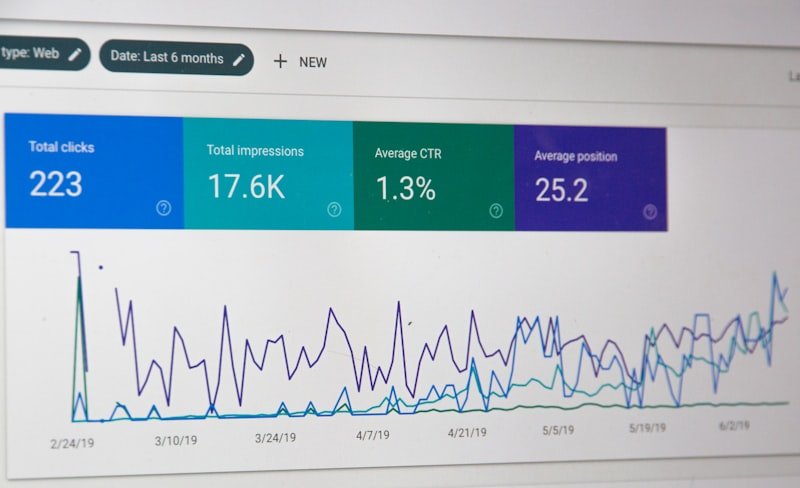
Tracking CTR and impressions helps refine where budget should move next
Fixes vs. Impact: What Moved the Needle
| Fix | Primary Lever | Typical Impact |
|---|---|---|
| UGC-first creative | Cold traffic CTR | Highest single lever for CPC reduction |
| Creative refresh cycle | Frequency & fatigue | Prevents slow ROAS decay |
| Funnel separation | Message match | Improves conversion rate by stage |
| Attribution cleanup | Measurement accuracy | Recovers “hidden” conversions |
| Data-led budget split | Spend efficiency | Compounds gains from fixes 1–5 |
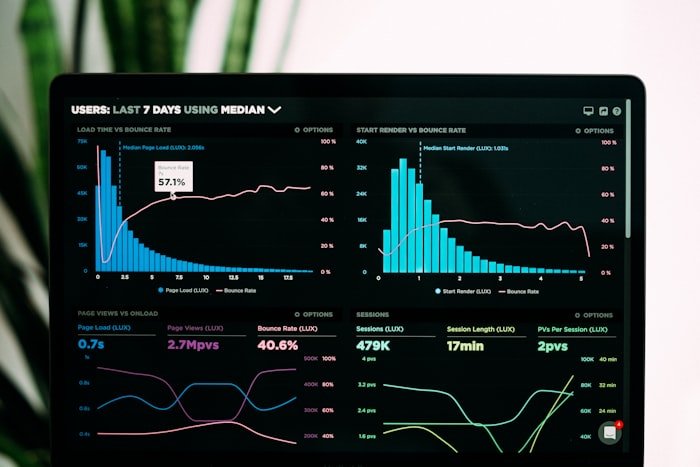
Advanced analytics tools help you understand which fixes are converting best
Case Study
A Real Client Example
One of our skincare and makeup clients came to us running a single evergreen campaign with studio product shots as the only creative. ROAS was hovering just above break-even. We didn’t touch the budget for the first two weeks; we rebuilt the creative mix around UGC content, split the funnel into three distinct stages, and cleaned up conversion tracking through the Conversions API.
By week six, blended ROAS had climbed to just over 4x, without a single dollar of additional spend. The budget didn’t change. Where it went, did.
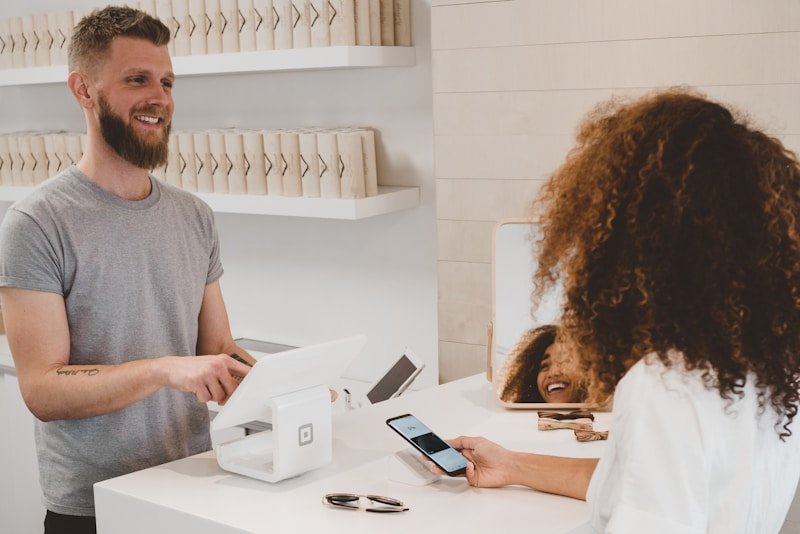
Happy, repeat customers are the clearest sign a fixed funnel is working
Frequently Asked Questions
What’s a good ROAS for makeup ads?
Most beauty brands should aim for 2.5x to 4.5x on Meta, with top performers reaching higher. Beauty as a category tends to run lower than general e-commerce, so compare against your own break-even point rather than a flat industry number.
Why do makeup ads stop performing after a few weeks?
Creative fatigue is the most common cause. Frequency increases, the same audience sees the same ad again and again, and CTR falls even though targeting has not changed at all.
Studio photography or influencer content for cold traffic?
Cold audiences tend to perform better on UGC-style and influencer-style content. Save polished product photography for warm and retargeting stages, where the audience already trusts the brand.
How often should I refresh ad creative?
Many advertisers spending meaningfully on Meta refresh creative every two to three weeks to stay ahead of fatigue, sooner if frequency or CTR starts trending the wrong way.
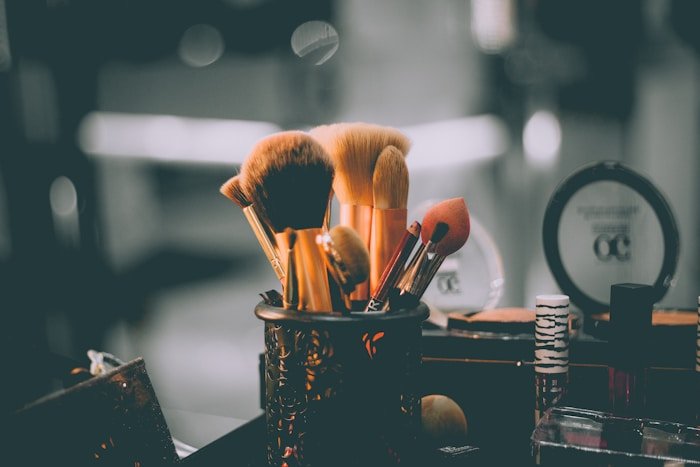
Visual quality is non-negotiable in beauty advertising
Conclusion
The Bottom Line
Scaling makeup ads profitably isn’t usually about spending more it’s about fixing what’s quietly leaking before you do. Get the creative, funnel, and attribution right first, and the budget you already have will work a lot harder.
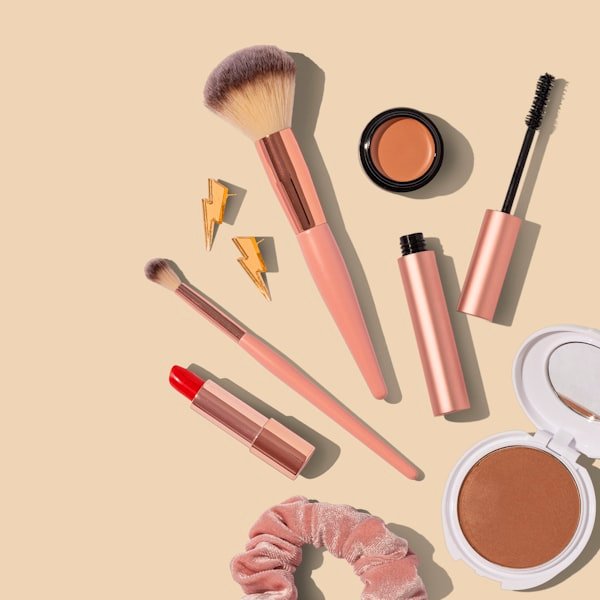
Fix the fundamentals first — then scale with confidence
Ready to See What’s Leaking in Your Account?
Digital Glamora audits beauty ad accounts for exactly these five issues before recommending a single dollar of new spend.
📍 #140 AKS 2, near Shanti Kunj Apartments, Zirakpur · 📞 9872663771 · 🌐 digitalglamora.com · ✉️ info@digitalglamora.com
Consistent, on-brand creative compounds every other fix on this list

Structuring campaigns by funnel stage keeps every ad doing one job well